Sky News
Table of Contents

Lighting Design & Oversight
Introduction
- Designed and Oversaw the visual output for all the Sky News (UK) studios for over a decade which included the historic political dramas around Brexit and the challenges of the Covid-19 Pandemic.
- Ensured a clear and consistent visual presentation to a worldwide audience 24 hours a day throughout this period, delivered with zero on-air impacting issues.
- Primary point of direct contact / support for all lighting matters to the Studio Directors (at a high design level) and the Technical Supervisors (at the operational detail level).
- Specified and Designed the studio lighting for all the studios in use and at that time, together with a resilient control system of hardware and software, all bespoke designed around the needs of, and feedback from, the operational end-users, in addition to personal operational experience.
- All this was achieved in an environment of constantly evolving Production requirements, with their unpredictable studio guests and Breaking News events.
He designed not just the lighting of their regular studio output, but built or refurbished all the dedicated Sky News studios across London. In addition, he was the Lighting Director for the majority of their major one-off and recurring productions elsewhere on the Sky Campus in both General Purpose Studios and Office spaces, as well as their biggest Outside Broadcasts.
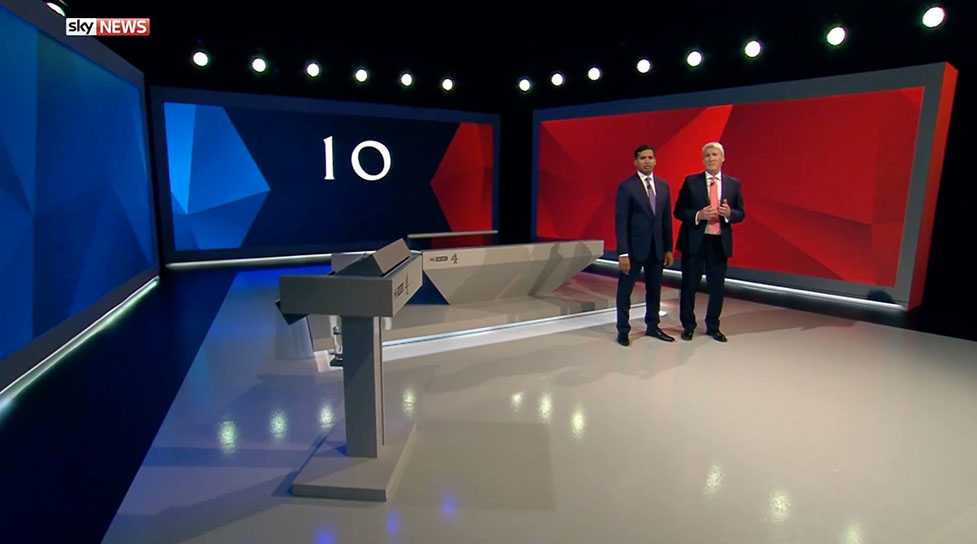
These included pre-general election debates featuring the (then) Prime Ministers and Leaders of the Opposition, a landmark pre-Brexit Referendum debate, and three General Election - and one US Election - Nights. He was also the Series Lighting Designer and Director for the weekly shows The Pledge and The Great Debate, as well as the two major all-day Outside Broadcasts, Big Ideas.
He successfully steered-through the transition from a single large traditional studio equipped with legacy tungsten lighting sources and manual control to a interconnected set of specialist studios distributed across multiple locations, all fully-equipped with state-of-the-art efficient LED sources and designed specifically with a wide tolerance for production fluidity. This was delivered together with a fully-bespoke multi-site remote control system designed around the needs of a large and diverse team of non-lighting specialists.
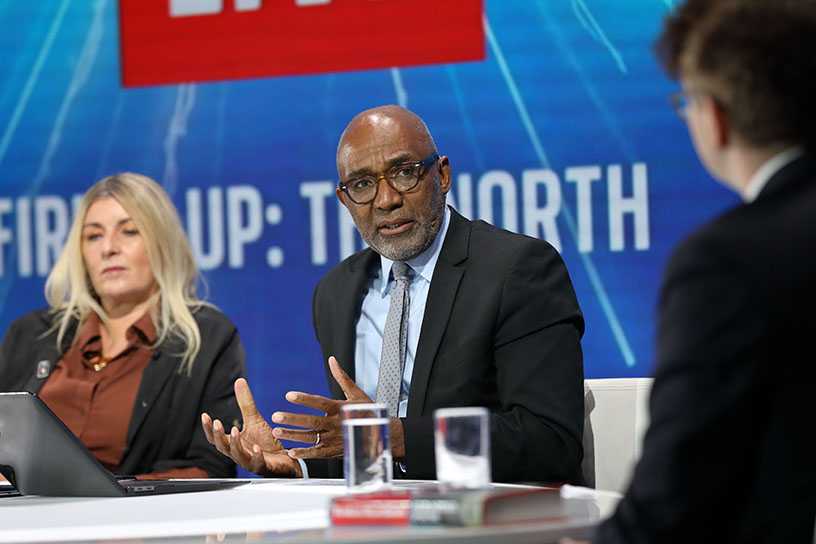
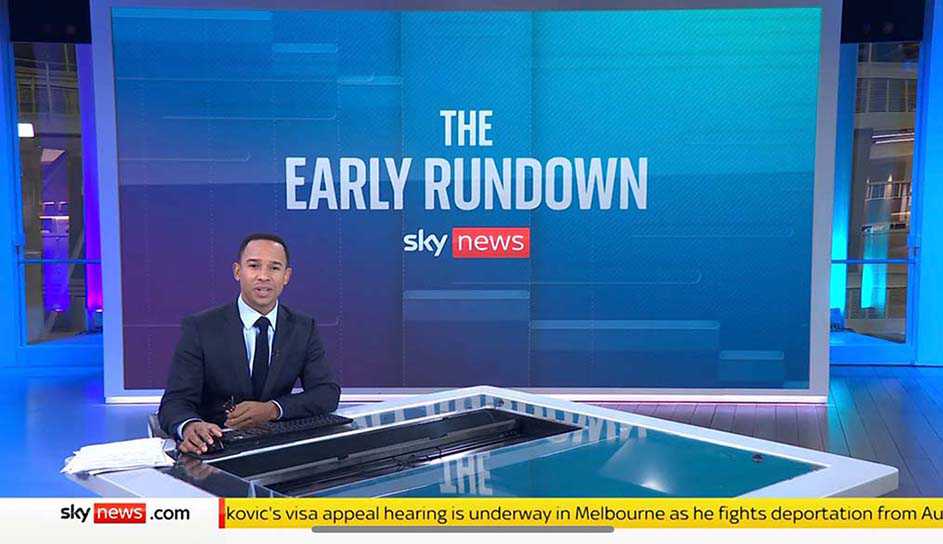
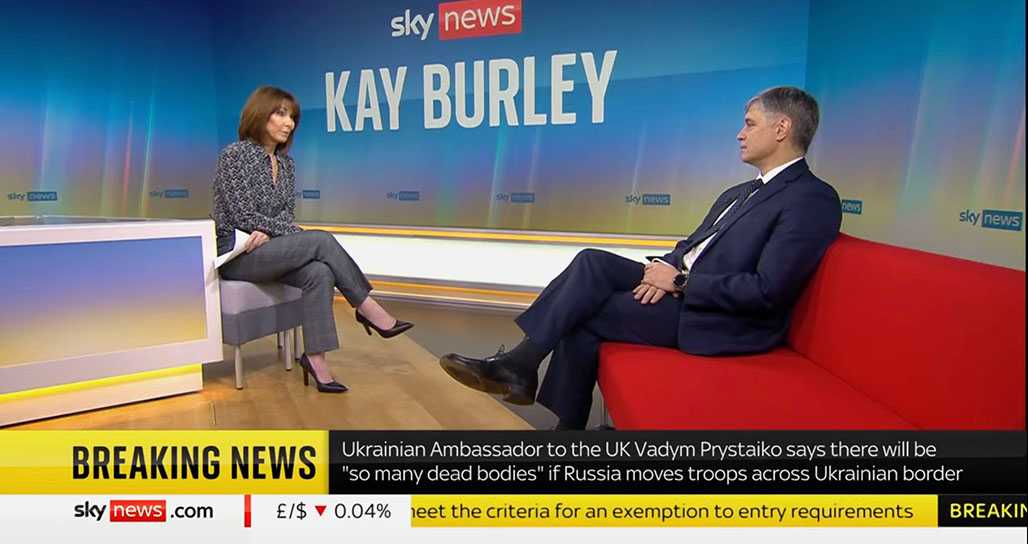
Sub Sections
Info
To keep the volume of content readable, it has been split into Sub-Sections and Pages - you can jump ahead now, or read on.
- The Many Battles for Number 10
- The Election Nights that followed
- The Studio Productions
- Going Outside to Broadcast
Prime Minister Debates
Attempts to give the UK a version of the head-to-head “US Presidential style” Debates had for decades been repeatedly rebuffed by whoever is in power at the time, but with no clear result ahead, everyone gave-in and agreed to a very low-key version for the 2010 General Election. Richard wasn’t involved in this, as had only just started Freelancing for Sky at that point, however the relevant thing is that both this Debate, and Election as a whole, resulted in what can be best described as a No-Score Draw for all teams involved…
So, roll on a then-legally-fixed nice and predictable 5 year delay until the next one. Nobody could then have predicted the utter carnage the next five years would result in!
Subsection Link - Who Wants To Be a Prime Minister?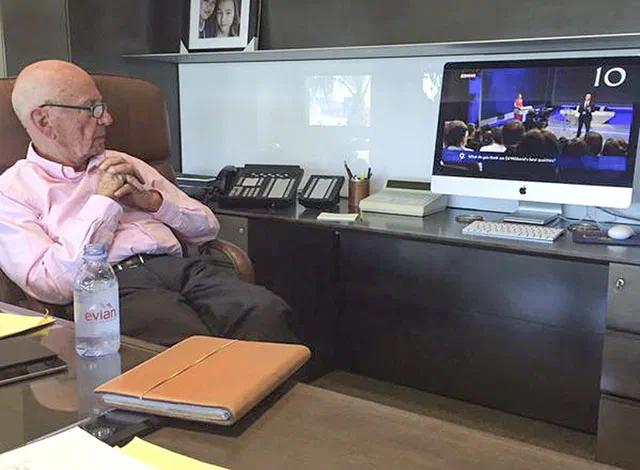
Election Night Specials
Of course, those verbal fights were just a warm-up before the main event - the General Elections
And for Sky News, Election Night is when all the stops come out, records are broken, tension is high, and the cliches are cliched.
Richard designed, built, and ran the lighting for the main overnight studio presentation for the UK General Elections in 2015, 2017, 2019, and also for the USA Election in 2020. Plus setup various Local Election Night Specials in the Millbank Newsroom.
Read more here about The Biggest Nights of Political Tension ...Since The Last OneFlagship Outside Broadcasts
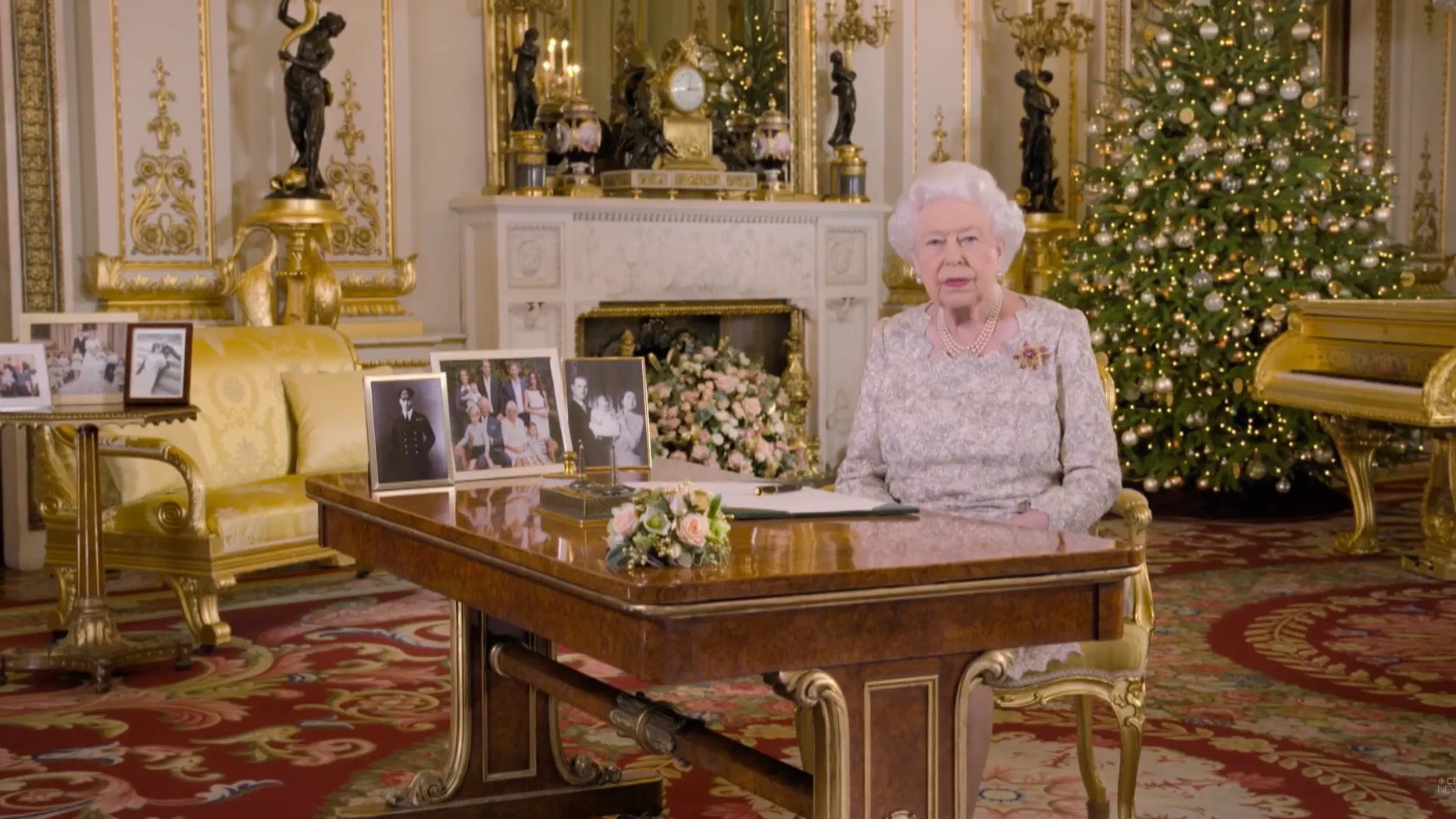
All-Day Channel Takeovers… or just a Very Grand Lady doing a piece to camera… Richard’s experience was sometimes called-for outside the fixed studios.
Full Studio Productions
Regular studio Output - Introduction
The construction and fit-out history of these is partially detailed in the Studio Builds section
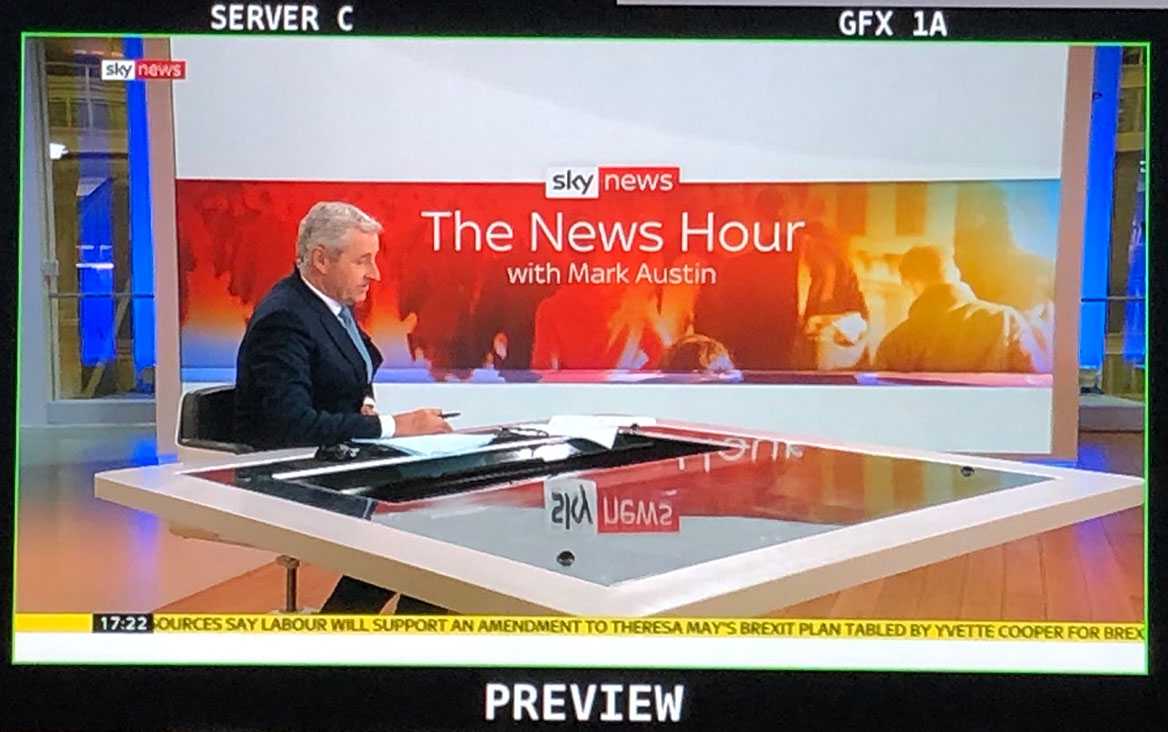
The lighting for all the day-to-day use of these dedicated News studio spaces was designed and set by Richard, as well as providing Oversight and Support to the Technical Supervisors who had to operate them day-to-day. He was then frequently called-in to revise the lighting ahead of any major changes or unusual one-off usage. A random selection of example images are shown below :
Studio A - The Legacy Studio
Richard first supported and later expanded LD Don Hart’s work in the large open space in the middle of Unit 1 when built, the largest studio sky had, but still essentially a tin shed box warehouse like all their studios before the opening of the Sky Studios building in 2011 (Studios 1-8) with its very complex and demanding weight restrictions; through to its eventual closure at the end of Project Tardis (the move across the road into Sky Studios) The Structural Engineering specified the distance between lights and no exception was allowed, otherwise that once in 10 years snowstorm might collapse the whole building.
His main change, and first big project, was in 2013 was a relight using the first of many ETC Source 4 LED fixtures. These were used for presentation in front of a huge 5m high 5k videowall that replaced the original discrete LED curved wall. This wall was made of DLP Projectors instead of discrete LED panels, and it paid for itself in just a couple of years in saved electricity alone! The saving in no longer having random coloured lights cast onto people’s faces 20m away was of course priceless…
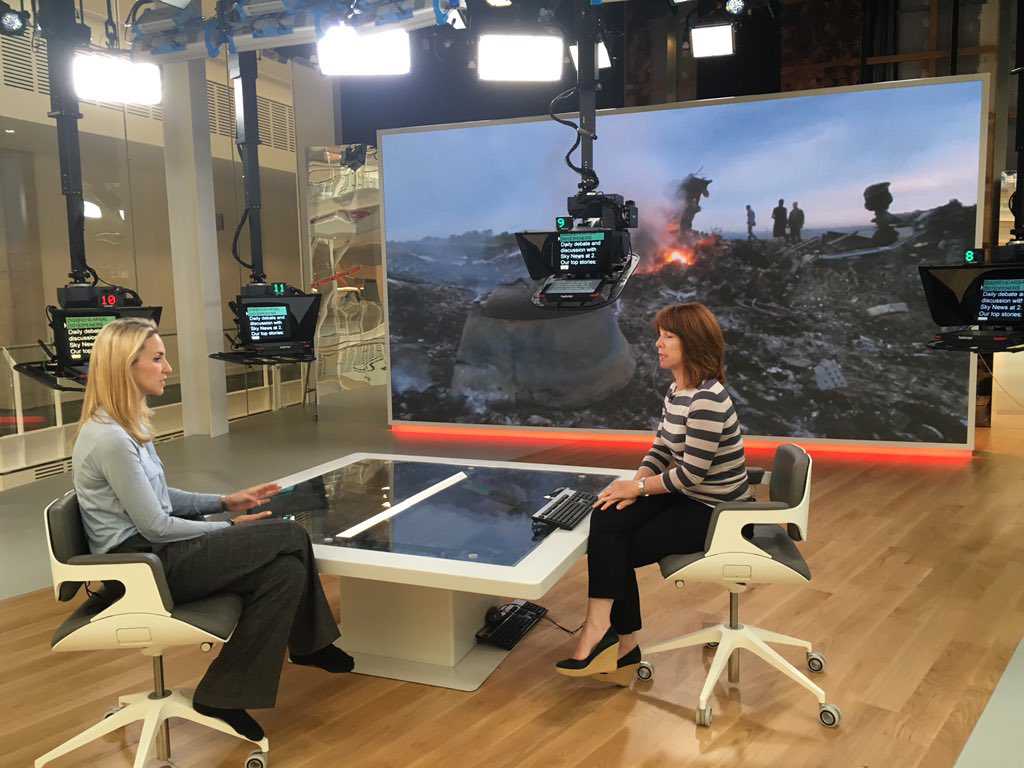
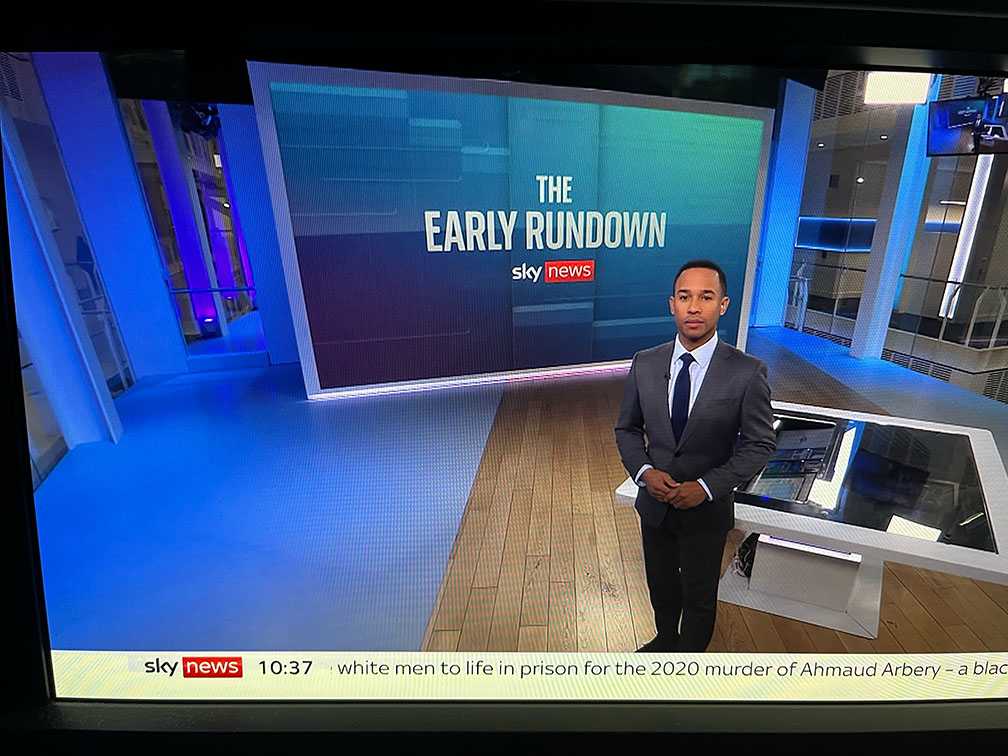
Studio 21 - The Glass Box
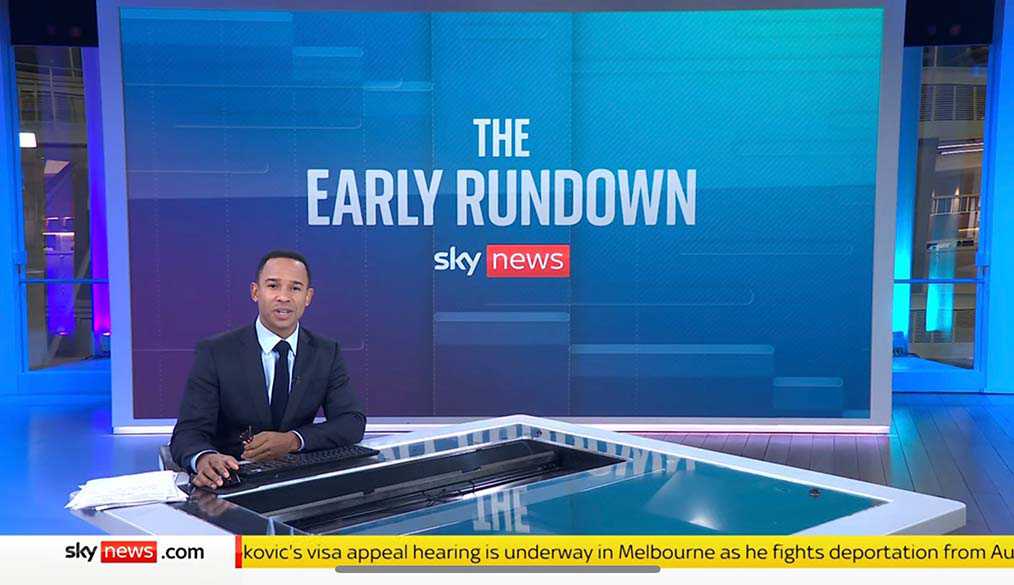
The Iconic and unique studio, with its cameras hanging down from the ceiling, a desk that span round, a videowall to point at, and absolutely no floor tech or clutter allowed. Well, apart from four uplighters that Richard snuck in behind the pillars (and only visible when reflected in mirrors).
Studio 6
Double-ended Real and Virtual Studio
Although one studio, this was effectively two separate studios. One end had a U-shaped Green Screen space, and the other had a U-shaped set of video walls surrounding a desk capable of up to 6 people sat around it (2 per side), and was originally designed for the Sunrise breakfast show as well as for overnight / disaster recovery use.
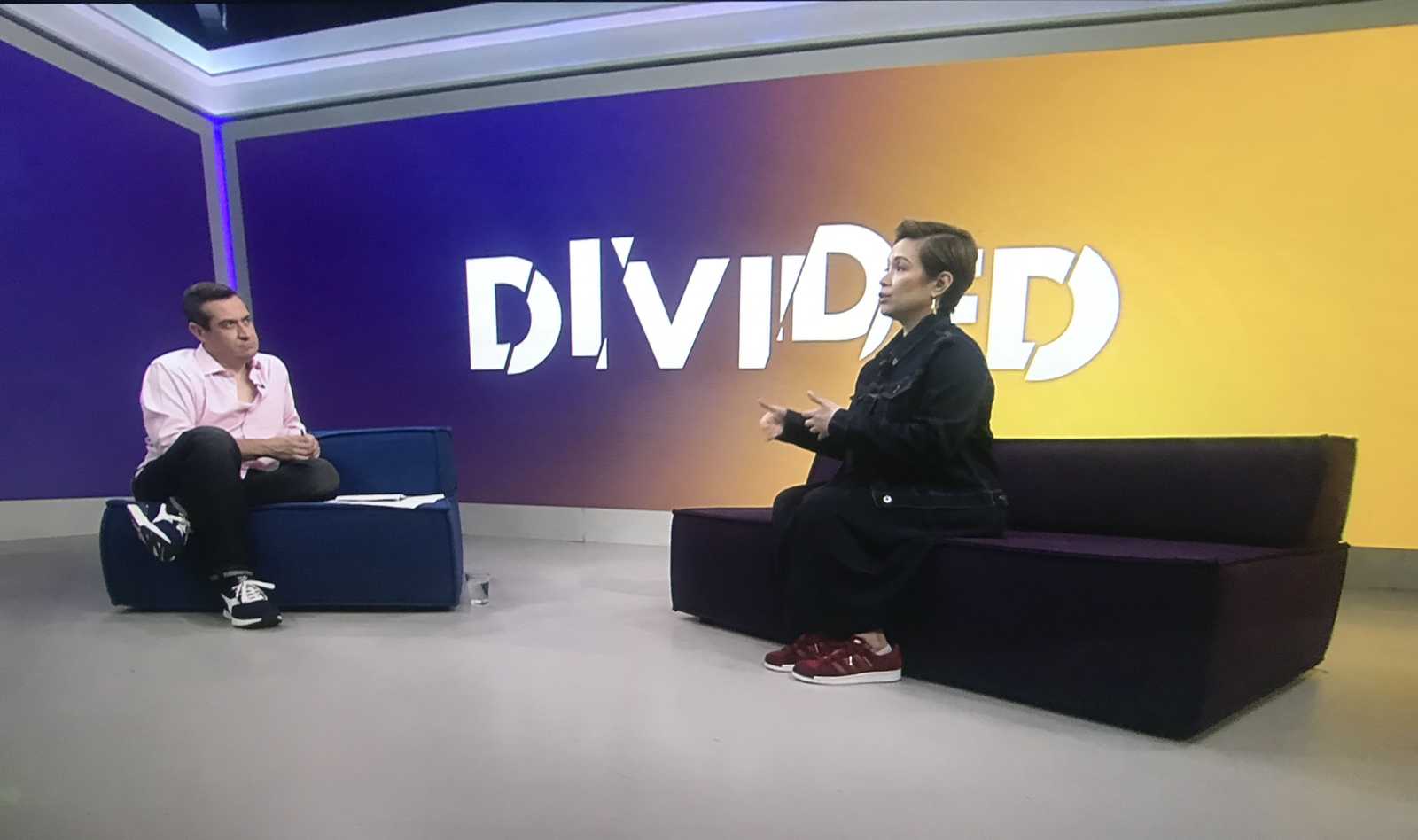
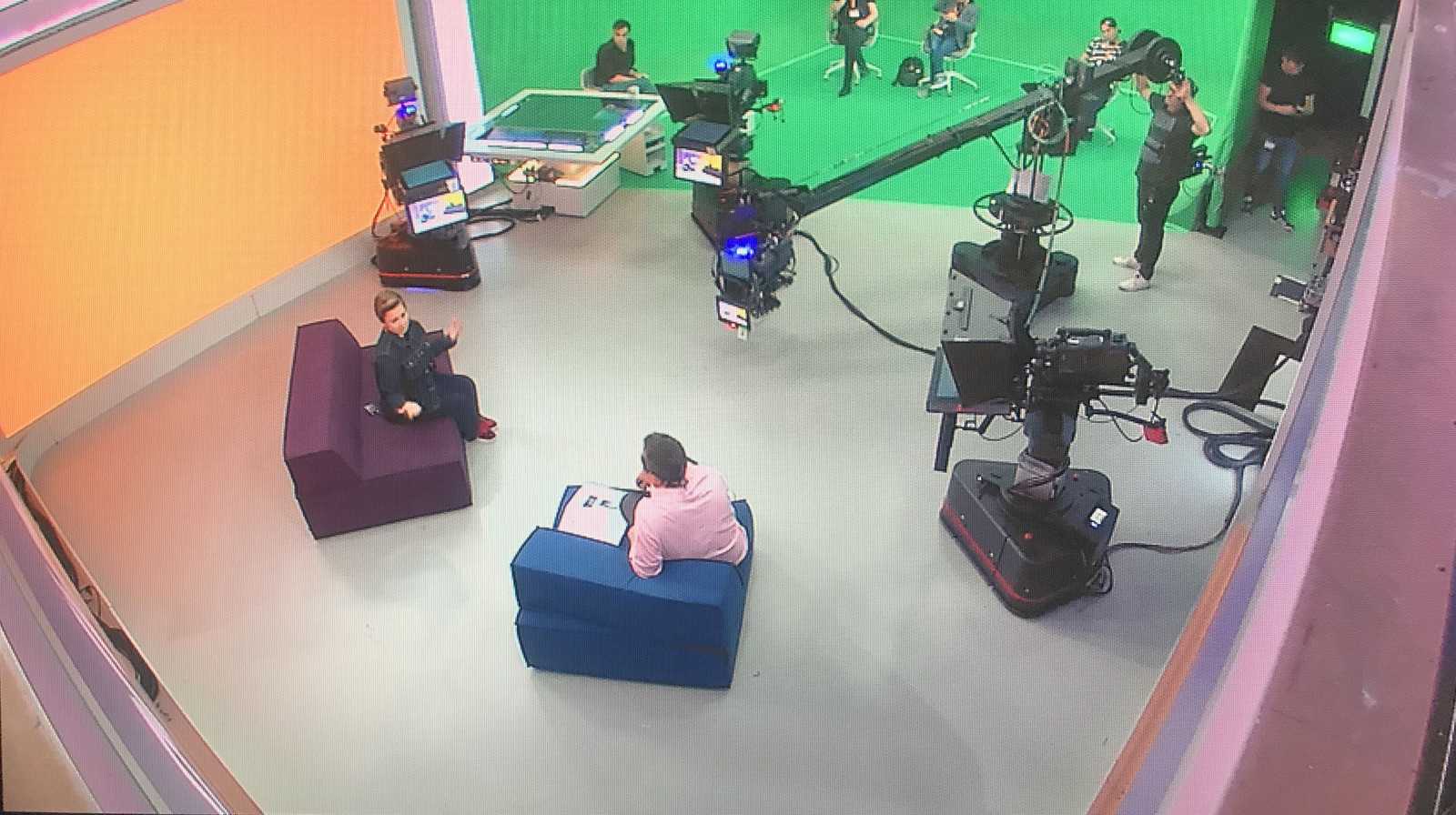
The intention was to feature live walks from the Virtual to the Real, similar to that featured in the then-current version of MNF. This was found in practice to not work well for several reasons. Visually, it didn’t work due to a very obvious hard transition as Green VR Key switched-off as the presenter walked in and out of the area (this had to be disabled as they then walked past the videowalls, which if all green content was removed from …things would not end well.) This was avoided on MNF by being hidden in the black background and shooting as wide as possible, but not the case here. The final nail in the coffin (instead of blaming lighting and/or set design) was that simply took far too long to walk and the studio cameras couldn’t clear sufficiently.
However, the original concept continued, as the VR Studio developed over time, it still retained often the look of being the Glass Box at a glance.
Another interesting aspect over time with the VR Studio usage was that Virtual Set Designer coordinated with Richard so that there were identical virtual lights matching the ones in reality - This also meant that the scenic parts of the the virtual set were lit from the same place and direction, beam angle and diffusion, as that which hit the Talent, greatly enhancing the illusion. It also meant that should a real Arri L7 ever drift into vision on a very extreme Jib shot (which a couple of Kickers in the rear corners were prone to doing with some operators), it would not be jarring or totally unexpected to the viewer - who might not know (or care) that its VR, but does know that its a studio of some sort, and now a light has appeared in the foreground that they had previously seen in the distance - and the Real light appeared instead of the Virtual one
In fact, some virtual designs contained many more lights than the budget for a real studio would have been able to stretch to, with every distant part of the building lit up! . Shadows are always the bane of green screen shooting, fortunately after much back and forth, the decision was made to have a real lino floor with real shadows.
Sunrise in Studio 6
Example of VR in Studio 6
Millbank Main
Multi-purpose studio
(Detail to follow)
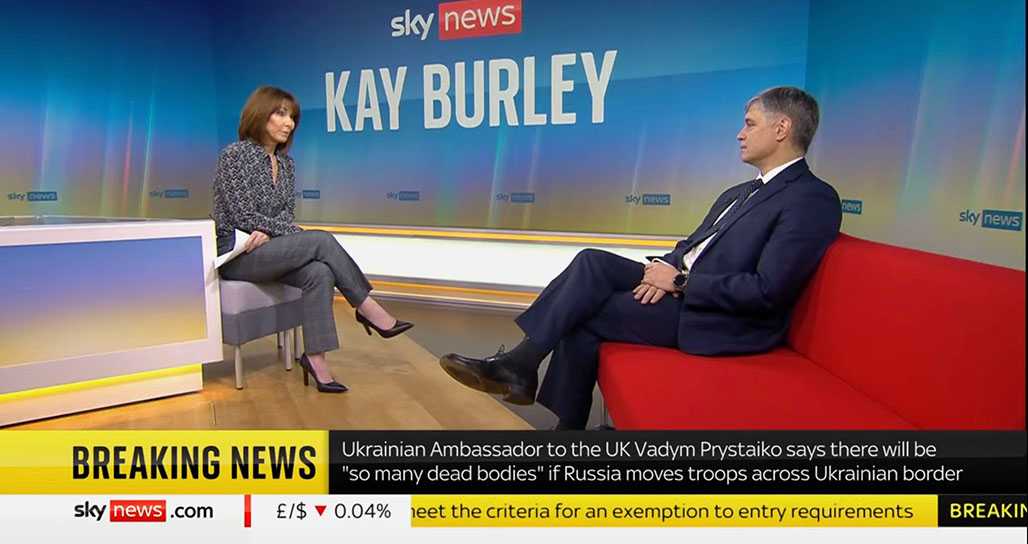
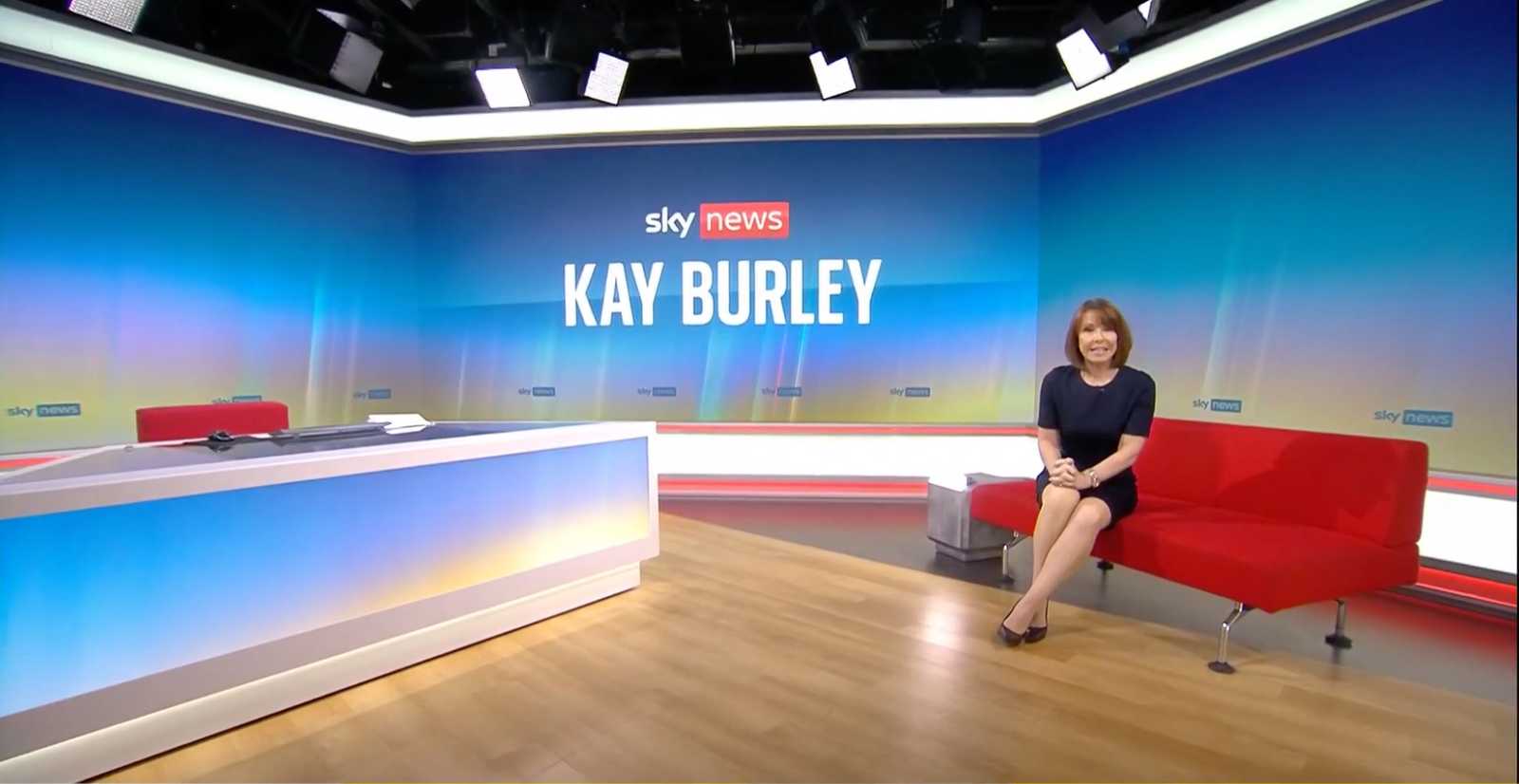
Aroudn the main studio, various other spaces were used in many different ways over the years, cheifly the Newsroom, the ENG Studio, and the constantly-in-use DTL (Down the Lines) broom cupboard.
Always a pleasure to visit this little self-contained island of peace, a contrast to the often quite …fraught… scenes happening right outside the studio in and around the adjacent Palace of Westminster.
City Studios 2 & 3
Shared spaces with CNBC
Quite an interesting design this. Not only were both of the studio spaces shared with a completely different broadcaster, but each had their own totally different lighting control systems, situated miles apart in different buildings, with a need to flip-flop between each broadcaster, automatically with no manual patching, whilst presenting no risk of interference between the two systems outside the areas concerned.
The solution to the above was both elegant and robust - and proven to be totally reliable and effectively transparent to operators on both sides throughout the entire 5 year lifespan of the studios. If you have a similar challenge, get in touch…
Example of City Studio 3 in use
General-Purpose Studio Productions
Introduction
Other productions took place in the General-Purpose studios on Sky’s Campus, which were usually used by Sky Sports.
The first two were long-running series, and the others were major one-offs :
The Pledge
2016-2020, Studio F
Lead Lighting Director for this highly-provocative weekly Debate show; recorded “As-Live” a few hours before transmission - leaving just enough time for any edits for critical legal reasons…!
Five …highly opinionated… pundits in turn presented their topical idea - on everything from disposable coffee cups to immigration, to which the others panellists would then vocally argue for or against. The show was very deliberately designed to provoke reactions & conversations on social media - and hopefully thinking and appreciation of different viewpoints outside viewers’ individual echo chambers.
With no moderator or presenter, this ran on the natural energy and timing of the panellists. To get the combination of diverse, fiery yet eloquent, guests right, the show had no less than a staggering 9 months (…!) of full-production pilots each week, trying-out different mixtures of people - none of which was ever broadcast - representing a huge investment, only possible thanks to the breadth of in-house people and resources, and flexibility of funding that Sky had at the that time.
The Set design, Lighting, and all other technical aspects were determined within just the first 2-3 weeks, all created and decided by everyone on the production team working as a collective held together by the great Jon Bennett. The marathon pilot run was a search to find the right people, which resulted in a rotating group always carefully assembled to ensure that whatever your views, one of them would really, really, wind you up every week. Recurring key participants included Nick Ferrari biked-over straight from - and fired-up by - his LBC Breakfast show, June Sarpong, Rachel Johnson, Greg Dyke and many more. Two, possibly more, were so convinced of their views that they dropped-out to fight Elections. Which they then lost.As the show went on almost continously for 4 years, and could have continued indefinitely if Covid hadn’t kyboshed it, all this extended piloting seems justified.
Filmed in the round with a gorgeous £150k glossy glass set - giving plenty of challenges in a small studio to ensure the cameras and operators were at all times hidden, address with carefully avoiding lighting spill, precisely angled set pieces, black clothing and drapes, and a customised solution to un-blank individual AutoCues for each introduction.
Quite a lot of 2k’s to gel and precisely set each week (basically, Key L - Frontal Fill - Key R - Backlight and repeat x5, plus some Decor) and a mass of practical LED to install and plug up, but it was one of the last Sky shows with proper old skool studio lighting to do from scratch every week, so nobody minded the early starts and the long rig time. Lighting lead was split between Richard & Malcolm Reed.
- Lighter Argument
- More Serious
- Its all about the MCU
- Out-Takes
Info
Expand for Educational technical information.
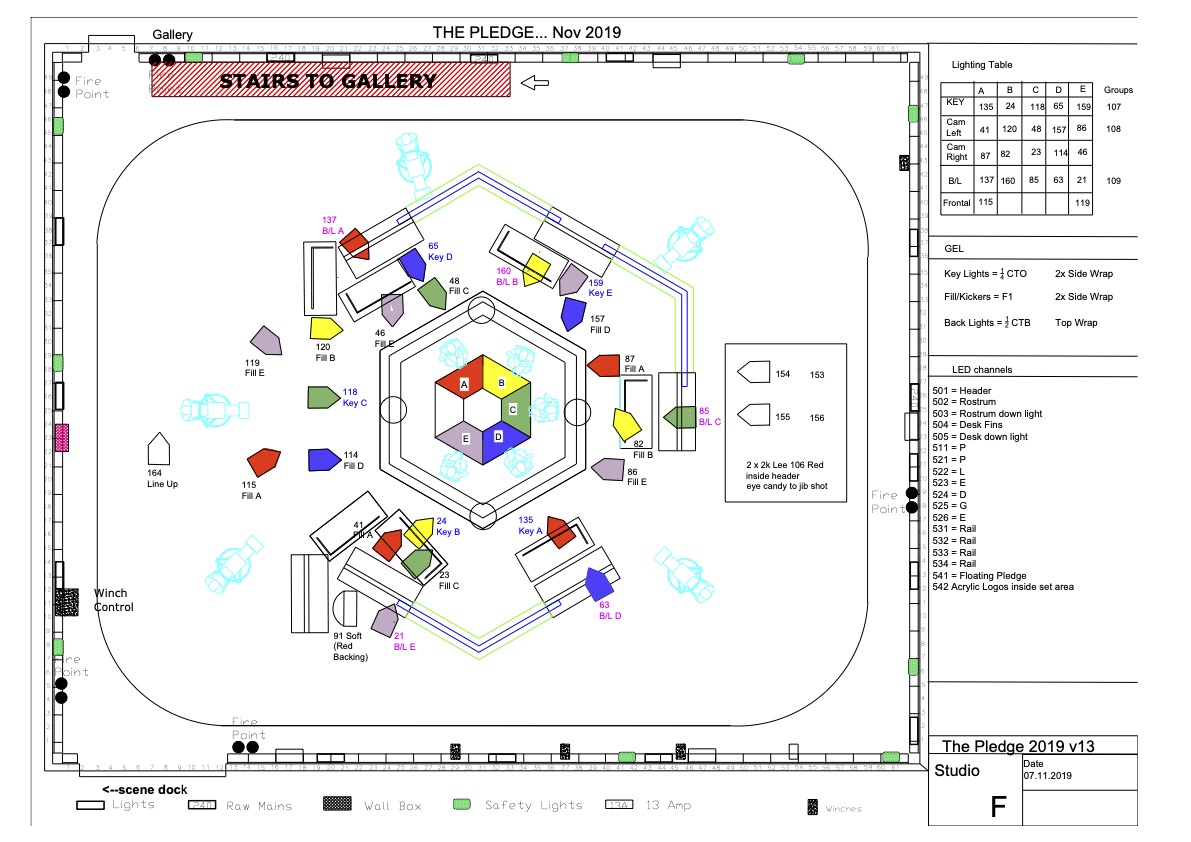
Downloadable version : 🗂️ Lighting Plot
Each person has 3 Key lights :
- Looking straight ahead at camera (for their introduction on Autocue, thereafter becoming a Frontal Fill)
- Looking at the person to their Left (F1 filter used to soften light somewhat, Malcolm would add 1/4 CTO, Richard just ran the lamp a bit lower…)
- Looking at the person to their Right (filters as above)
- plus a Backlight (with a top blackwrap to reduce the beam size down so similar to a 1kW Pup without having to change the head.
Now repeat the process for the other 4 people - all have equal importance in the show (they each took turns to lead a topic).
The six-sided desk has an empty position, this gives a place for where the Viewer at home feels they are sitting, right in the middle of the arguments being vigorously bouncing back and forth.
N.B. Be careful of any lights clipped other people, or spilling onto the lightboxes that is the set, or onto any of the blacked-out cameras…
A couple of foreground lights high-up were pointed forwards wide-open, used purely to distract from the visual clutter of the lighting rig…which can’t be hidden due to the low ceiling and the wide-angle lens (especially with the …adventurous… angles favoured by some jib operators)
Studio F being a “Fast Turnaround Studio”, where many different productions can come and go rapidly (3 in 24 hours was quite common in the past), all the lights are left permanently rigged on pantographs and plugged-up, giving high degree of consistency from week to week. These pantographs hang from wheeled trollies, which slide up and down a short bar (two per bar). This bar in turn has fixed wheeled carriages at each end, giving transverse freedom of movement. Around 6 of these bars are in each set going the full width of the studio, and multiple rows ensuring that the entire ceiling (in theory) has a fully-saturated coverage of lights that can be bunched-up or spread-out anywhere as desired. Well, apart from that bit of truss cutting the studio in two.
This flexibility can be both a blessing and a curse, depending on if you’ve left enough spare units to add things in later…but without blocking yourself from getting where you want. The main issue with all these rolling bar / track studios is cables getting tangelled, and the more flexibility you want the longer and more knotted the cables become. MEWPs are a necessity to get up there and fix things that have come unplugged (ladders are harder to work off and much more dangerous)
Anyway, back to the lights - these are primarily all 2k Fresnels, with barn-doors elongated by black-wrap folded and clip, usually to the long doors rotated vertically. This allows extremely precisely-sculpted shapes of light - in shapes you can’t get with shutters on a profile lamp - all quickly set by a studio electrician standing on the floor by means of a long extendable pole with a hook on the end. Focusing lights this way looks very different to how it is done in Events or Theatre, but the principles are the same - one person, often standing in position, directing another to adjust the light generally towards them using idiosyncratic language and lots (!) of waving hands and arms around. Its very much a shared relationship, with each relying on the other, and sometimes can feel like and very much relying on each other to know when to its evolved from the need for not just quick changes but being able to dive-in and tweak lights just as in those areas, the speed comes down to experiencehaving a experienced senior electrician / technician makes setting lights Just as in other areas, with an experienced team With experienced senior electricians, the lighting director only has to give some basic prompts working, setting these can feel like a The skilled use of these poles of a method of setting lights that is unique to television, as it allows rapid adjustments to lights both crude and delicate, right up to the last minute - and sometimes even when on-air (although out of vision though, of course!)
- At the same time, a mass of cables connect up the set, which exists classy edge-lit glass lightboxes.
The Great Debate
2021-2022, Studio F
- Trevor Phillips presented an audience discussion show… but with a twist.
- VR (Green screen virtual video wall) & AR (ceiling replacement and floor graphics) used together with a real set
- Originally started during Covid restrictions, hence why everyone is so far apart - and why the audience is at home!
- Every episode was lit by Richard.
Covid Crisis - Learning the Lessons
2021, Studio 4/5
This series of 3 shows presented by Sophie Ridge, just a year after things started, was an attempt to start the serious inquiry into what went right, and what went wrong, that was being increasingly demanded by the public at this time. Due to continuing proximity rules, all guests were at home and shown on video walls, and the camerawork was all on a Steadicam and Jib, shooting in the round (360-degrees).
Info
Expand for Educational sections
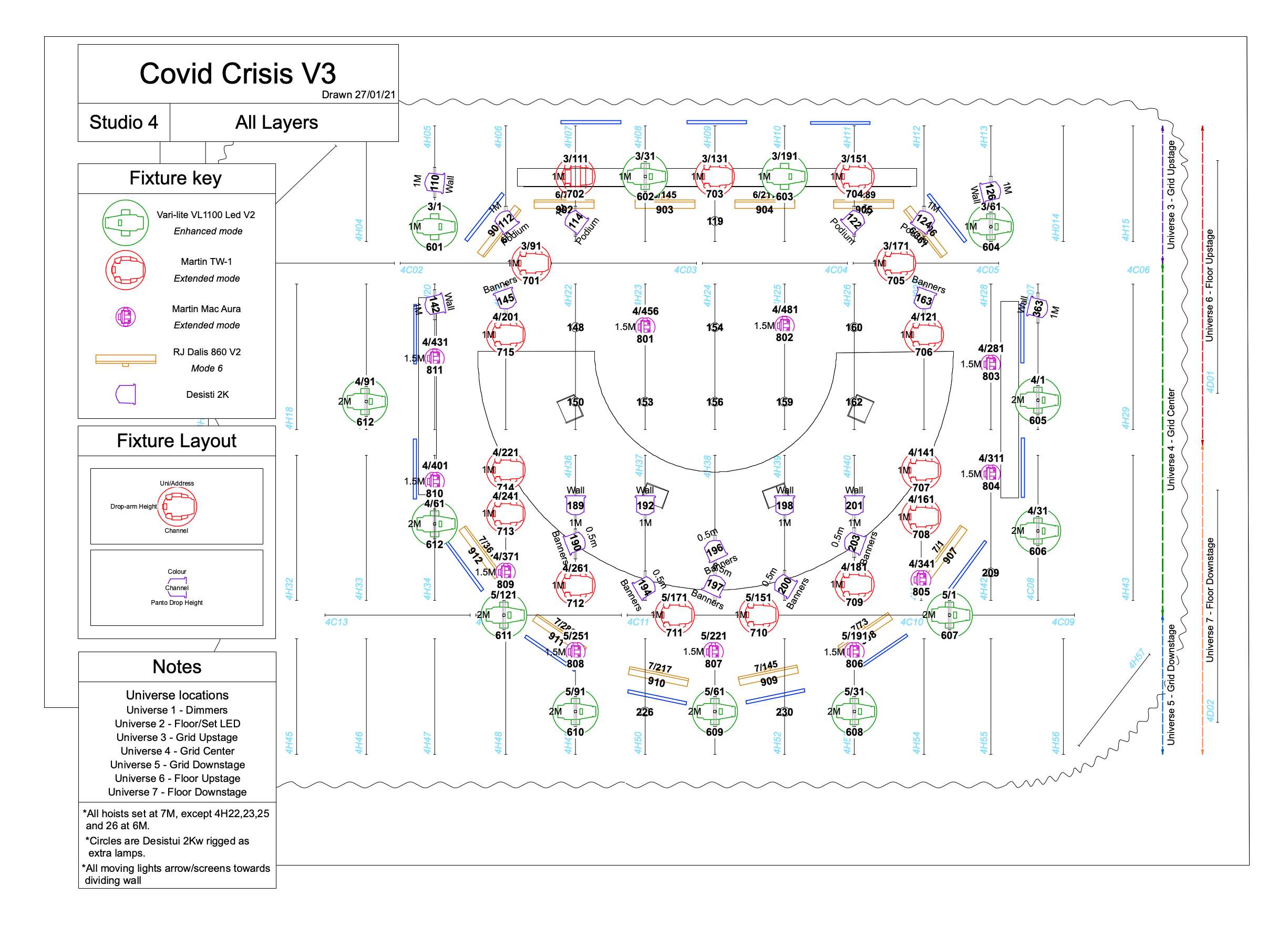
Due to the on-going Social Distancing rules at that time (making the whole premise of this programme seem a bit … premature) Richard made the decision to have a lighting rig made-up almost entirely of moving-lights. This would reduce the need for people working on the studio floor with a pole adjusting lights during rehearsals, as keeping distance from each other limited the total numbers on the floor at any one time to 13 people. The “Natural” air conditioning was cranked fully-open, and it was January. ❄️ ☃️ 🥶
Gallery staff had more challenging limits on their movements, essentially bolted to their seats with some perspex shields between each other with half the usual staffing density. As the lighting positions at Sky are by default located at the furthest point from the doorsSky, we took advantage of the flexible infrastructure and promptly decamped to the adjacent gallery.
3D modelling was extensively done beforehand to confirm positions and distances with the need to give wide coverage with a light as far back as possible but without clipping the set, or being too steep.
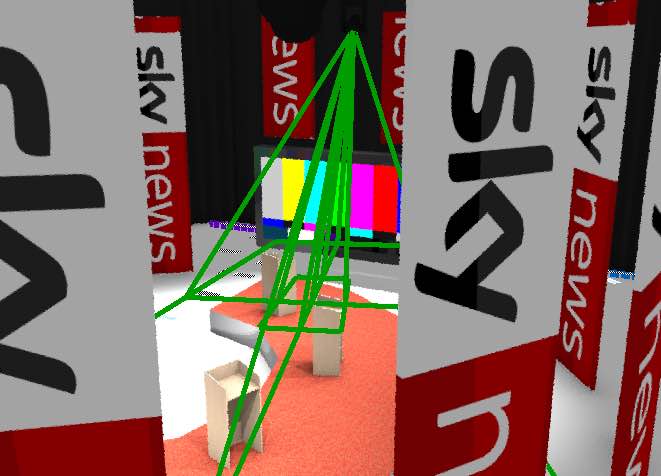
Luminaries used >
- Vari-lite VL-1100 LED were used as Keylights
- Martin Mac Auras as Backlights
- Martin TW-1 lit the scenic graphic panels from above
- Robert-Juliet Dalis from below for graphics, and as footlights.
Covid Crisis Lighting plot :
Covid Crisis Magic Sheet by end of Show 1 :
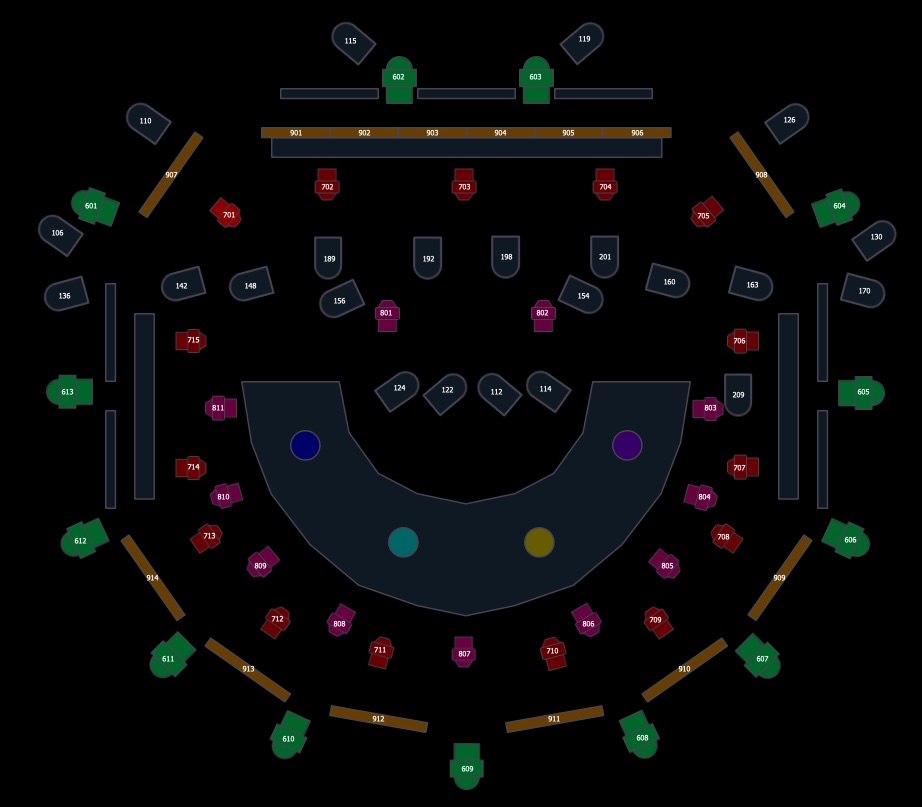
Downloadable versions : 🗂️ Initial Plot 🗂️ Magic Sheet
Task : Compare the initial plot with the console MagicSheet which shows the final version of the show.
It should be immediately clear that a lot more than originally anticipated of the existing studio tungsten 2k’s had to be used in a line along the top edge of the studio. Probably because a static position became a long walk up and down with 180 flip mid-conversation The positions up on the platform was cut too late to move any lights around to new positions. All of which shows, how ever many angles you think you’ve got covered with moving lights, Production will always find a secret new one you hadn’t thought of.
Due to the steep video walls, when near the wall Sophie had to be lit from both sides - but, if all this light came in from a long way away, it would splash all over the set behind her, as well as have shadows from the cameras operators. Which is why there are a whole series of lights in a row instead of a single key further away. As long as these are at least a moderately reasonable distance away, once carefully focused with a bit of back and forth and walking around they merge into one another.
If the source is too close, you will inevitably get hot spots, even if using softer sources than Fresnels, which is why in tiny studios, the inverse square law is most definitely off the xmas card list…. not your friend in a small studio. Fortunately, this studio can have lights up to 9m in the air - in reality they were probably about 5-6m up. as Sophie was stood too close to the wall to get anything in from above when facing that screen. The pre-production plot for this one-off production is shown below, as an example of how to approach the challenges of shooting in the round.
Footnote:
When it comes to setting a critical series of lights to cover a walk as smoothly as possible, there are three approaches :
A Scientific LD compares levels with a light meter.
An Engineering LD uses the back of their hand and the Mk.1 EyeBall.
The Artistic LD dons a pair of designer sunglasses, looks in completely the wrong direction, and says ‘its meant to look lumpy’.
All are, of course, completely correct, for their particular production
One Hundred Women
2018, Studio 4/5
- Kay Burley hosted all-female debate and audience to see what’s improved, and what still needs to improve, for women.
- Notable for all the keylights being VL-1000 to cope with the continuous walking and 360-degree shooting style used
- Due to the studio’s sausage-shape resulting in a very short throw, throughout the show, the side keys for Key were very subtly bounced backwards and forwards by a manual LTP fader oscillating between two preset focuses.
Credits and Thanks
So much of this site could be seen as blowing one’s own trumpet. But none of it would be possible without so many other people, and it would take another decade to list them all, so just a few key mentions :
…For I have stood on the Shoulders of Giants
LD Don Hart for explaining in intricate detail his Studio A lighting design before handing-it over in 2012, with its many quirky zoning restrictions or even bans on rigging positions …and even the types of luminaries allowed in each sone… which were absolute dictates by Structural Engineers back when the studio was built in 2005.
LD Dave Evans for the cracking of the Enigma Code Glass Box Camera Challenge with his original lighting-design, the principles of which he expertly communicated throughout the design process and then fully handed-over at Launch in 2017.
…The Backbone in the Backroom
Although all of the on-going Design and Development, together with much of the studio Tweaking and Support, was done by Richard Bowles nothing would have got or stayed on air without the backbone of the great team of Sky Production Electricians (originally consisting over 20x Staff plus a lot of Freelancers)
The day-to-day output was thanks to tha care and attention to detail by the expansive team of Technical Supervisors and Technical Operators, who would internally communicate the essentials of any new production both 1:1 and in writing, which were sometimes ready in less time that it took to reach the Gallery after rehearsals!
Their end-user feedback on different choices of everything from button size and location to diagrammatic and control methodology, as well as capturing and then automating any manual adjustments made over time, was absolutely fundamental to the continuous evolution of their bespoke Tardis Control System.
The Lift from Above
The support and feedback from Sky News throughout was essential, starting with the always concise - and always absolutely spot-on - the (then) Head of Sky News, John Ryley, and the indispensable advance information and guidance total trust and backing given by the Heads of Studio Output Jon Bennet and his successor Ben Wickeham - through to the many Directors, Producers, and the wider team in Sky News; far too many to name-check!
And of course, the cooperation and trust of the on-screen Talent [^1] - most memorably over the years being Kay Burley - with whom Richard worked-with to ensure they had appropriate and comfortable lighting customised to their individual needs. And together with the Floor Managers ensured they had precise but reproducible positions that they could readily find - developing a system of marks that could be seen by the Talent essential when multiple productions had different marks in the same small area, but crucially was completely invisible on camera. Which leads in turn to thank the great team of Set Designers at Jago.
Often flicker of relief in the Talent’s eyes when they saw that Richard was present for the build-up & launch of their latest regular strand or one-off special - often starting at some very unfriendly times of night - as they knew they could then stop worrying if they looked their best on-air (something not helped by the variable setup of various studio monitors)