The 1990s
Table of Contents
The Early Years
As the 1990’s dawned, Richard plunged head-first into his University’s Student’s Union voluntary Stage Crew organisation; initially focusing on live Sound, but rapidly discovering that his real interest and instinctive abilities were in lighting. This gave him a great insight in to all the roles in Event Production as everyone had to be able to do everything!
The first key skill everyone had to learn was coiling cables - a vital skill which is something you will never stop doing, even when at Buckingham Palace, although thankfully they are less-often coated in stale beer or worse… nowadays - whilst discovering and learning about all aspects Event Production.
With a mixture of live bands a few of which were actually good, even the crusty folk-rock ones and the areas’ strong ties to the local underground early Rave scene, Richard declined the career he originally had been heading-into as a project manager in the aerospace industry (despite a good job offer) for the insecurity of the entertainment industry.
He found sleeping on cold stages being paid in bread and beer more interesting, although financially dubious.
This decision proved to be a good one, and the pay increased. Well, it couldn’t really decrease.
His first year continued along the same lines as it had a university, except scaled-up. Early shows were often large-scale all-night raves at legendary venues such as the Sanctuary in Milton Keynes. These shows were awash with the then new-fangled moving-lights, with which Richard was at the time deeply obsessed by, seeing their serious and artistic uses beyond the flash’n’trash and unreliability that most others did at that point. With the blind confidence of youth, he positioned himself as an expert in the use of ground-breaking units such as the Golden Scan 3, VL-5/6, NAT, Studio Color, Cyberlight, and later the Mac-500 & 600. Fortunately, after a few years of making them jump through hoops with semi-analogue controllers such the Jands Event, he started using the revolutionary new digital control systems that abstracted the controls from their physical values, chiefly the WholeHog II, ScanCommander (predecessor to the GrandMA) and then later the Compulite Sabre and Vector.
Early Goals
Everyone should have goals when they start-out, apparently. So, as the great adventure into the unknown started, he was put on the spot on his first day:
Q. What will be the biggest Venue and Person you will have lit in 10 years time?
A. Wembley and… Madonna!
(Flippant reply, with no expectation of achieving it of course)
And then, just 6 months later, on the last day of the year - and still not yet 25…!
Well…
…sort of…
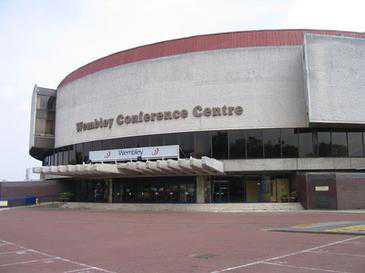
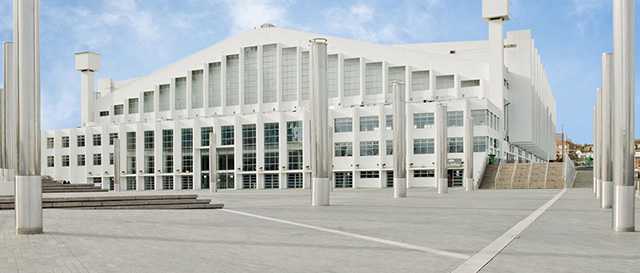
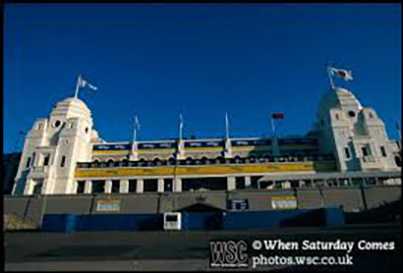
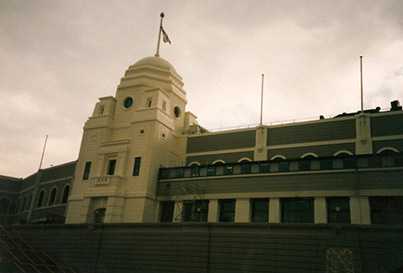
Ok, so it was actually the Wembley Exhibition & Conference Center, not the Wembley Arena next door, and definitely NOT the adjacent world-famous Wembley Stadium …which was where he meant - but didn’t clearly state.
Still, it’s made a good story down the pub ever since…
Three decades on, and he’s still not done the Stadium (and has no desire to), but he has done the Arena a few times.
Madonna, on the other hand, took a further 11 years. So - a pretty good estimate all-in-all then!
OK, we’re not setting goals any more!
Which is just as well, because any further goals that might then have been set would probably have been way off, as direction of travel changed many times in those early years. And a lot of people talking about football. A LOT of people. Football. Oh, Balls…
But, long-term, many unexpected achievements happened instead that he would never have dreamed-of; taking him to places around the world, and meeting people from the very top to the very bottom.
What else happened in this very early period after going “Pro”?
Here are some of things that happened that can be remembered None of which involved football
At some point in his first year, he did The Prodigy for the third time, but this time getting paid for it. Very bizarrely however, due to some last-minute staffing issue, Richard ended-up doing the FOH Front of House Sound instead of the Lights. Fortunately, no one We shall gloss over how poor it probably was.
Quite a bit of time was spent touring round Europe, mostly Germany, including an amazing month in Vienna as the snow melted.
Through a very complicated story involving the early Internet, Richard ended-up working for High End Systems for a while, travelling everywhere from the USA 🇺🇸 to the Ukraine 🇺🇦
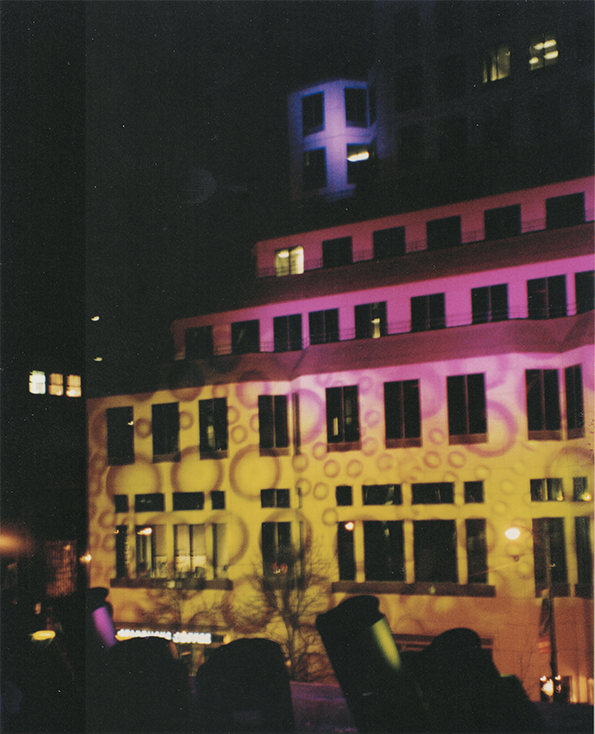
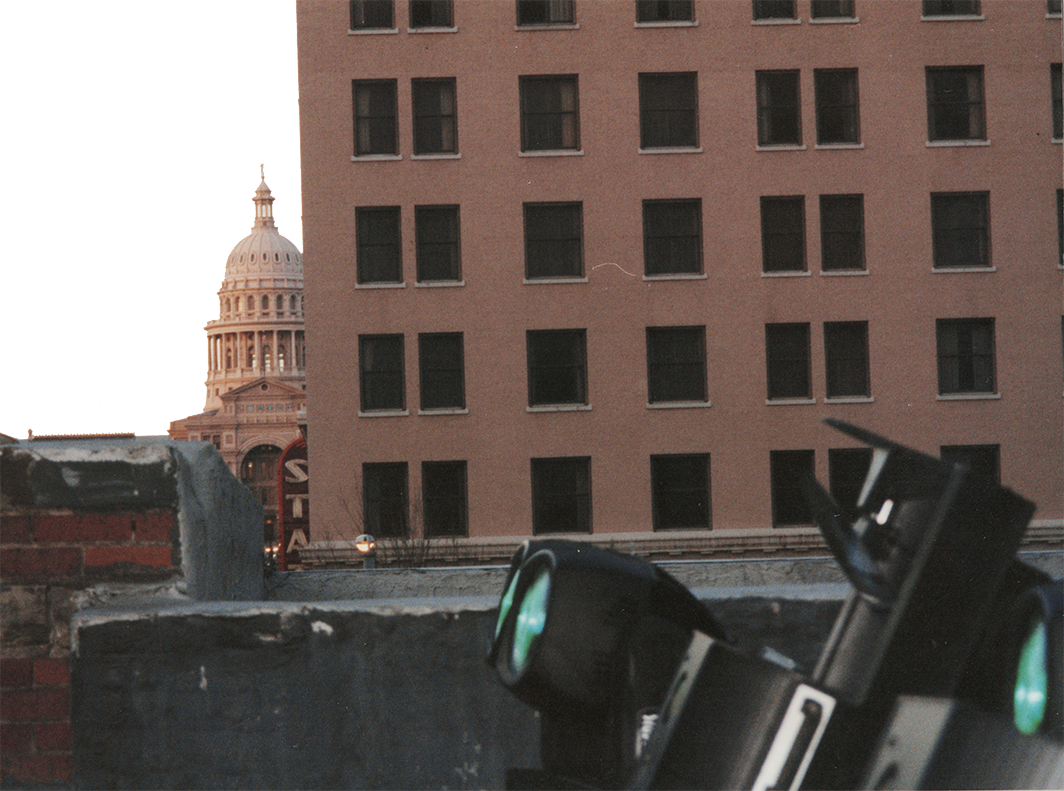
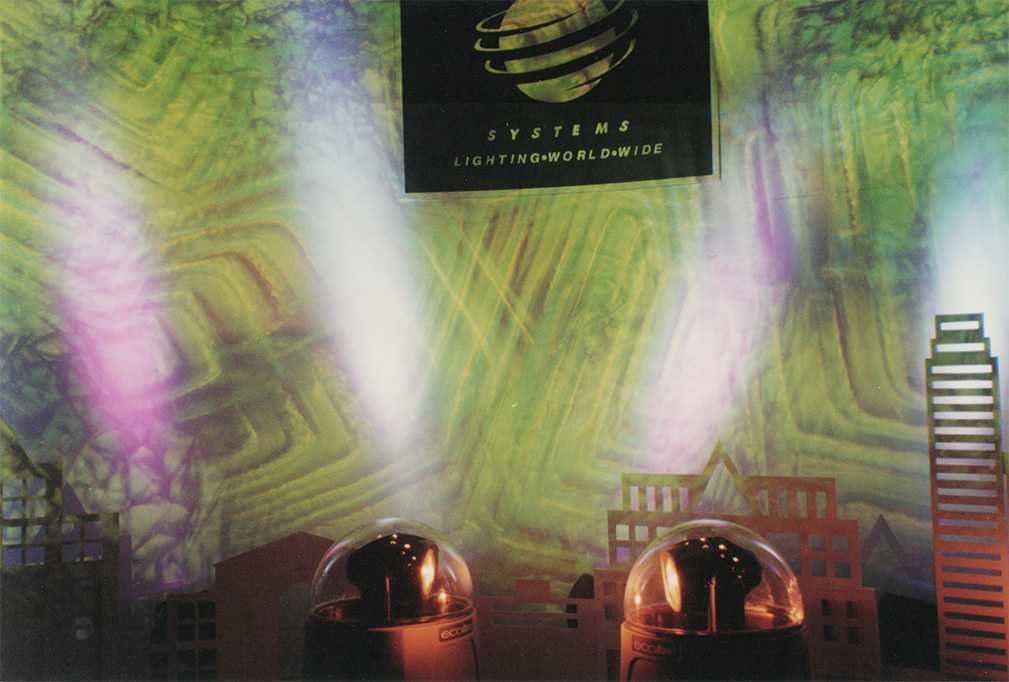
Photos : Austin x2 (TX, USA), Kiev (UKR), Antalya (Türkiye)
The Big Step
Towards the end of that seminal first decade, the opportunity arose - thanks a random cup of tea at the fabulous infamous 53 Northfields Road where the infamous fabulous Spot Co and Flying Pig Systems were based - to make the leap into Television Production.
Thanks intially to being in the right place at the right time, Richard found himself the next day working with LDs Chris Rigby & Oli Richards on The Pepsi Chart Show (C5) at the Hannover Grand, wobbling some lights on a WholeHog II. Somehow he got asked back for the next week, and one thing rapidly led to another, as wobbly lights had suddenly become far more affordable yet few people knew how to use them. And Richard discovered he had the innate knack of looking at the television screen and tweaking the lights accordingly without needing prompting - something that many programmers coming from live events/theatre/etc still struggle with nowadays. being in high demand but withwith random performances at MTV Studios in Camden, and then the 3 1/2 hour complete chaos on ITV on a saturday morning with the only ever half-rehearsed - but memorable - SM:TV/CD:UK.
There’s many moments from that show that have been lovingly recovered from old VHS recordings and put on YouTube. One historic moment though was one that everyone involved in wishes had stayed firmly dumped and forgotten about in the bin of history : Britney Spears’ UK TV Debut. [^2] -
On the 5th stage that was impossible to make look good, got scrapped at end of 1st series thankfully.
The 10th number of the day, nobody had heard of her only there because record company insisted.
Totally technically unrehearsed by anyone. then promptly went to No.1 and they had to keep repeating the recording…
Its awful…
At this time, promotional music performances were everywhere on broadcast TV. It was quite possible to do the same act 4 times on 4 different networks in the same week. Yes, I’m looking at you Texas.
- Still on the musical performances, but sightly more classy, he also programmed & operated the lights in the gone-too-soon Earls Court 1 for the also-now-gone Luciano Pavarotti’s 1998 performance (LD Mike Sutcliffe (Sottyy), for the BBC). Quite an experience. He took his skills with moving-lights and discovered an intense fascination with what could be achieved on screen - and as the new Millennium approached, this became his primary focus, but before that, another unexpected opportunity arose!
6 months in Pinewood Studios
Joseph and his Amazing Technicolor Dreamcoat
Lead Programmer on this production that sprawled across 3 stages at Pinewood, including the famous 007 Stage.
At one point, had pretty much every moving light that was available in London at that time (apart from Vari*Lites), across 3 stages.
For example, there were 80x Mac-600’s just to light the Sphynx’s head (40x each side).
Oh, and about 16x Gladiator follow-spots…for backlights…
Timecoded cues stacked on top of each other ended-up firing so fast that the poor screen on the Wholehog II couldn’t keep up and was just a blur.
Yes it looks crude in places by modern standards, but more than a quarter of a century of lighting technology improvements have passed!
David Mallet directing, DoP Nic Knowland.
Jesus Christ Superstar
After the delightfully over-the-top timeless camp of Joseph; another Lloyd-Webber musical followed-on just a few weeks later with the same lighting team. This time round though, the production went to the other extreme, with a beard-stroking Contemporary (for its time) Arty references throughout. So contemporary for its time that the baggy trousers have come back round in fashion once again…